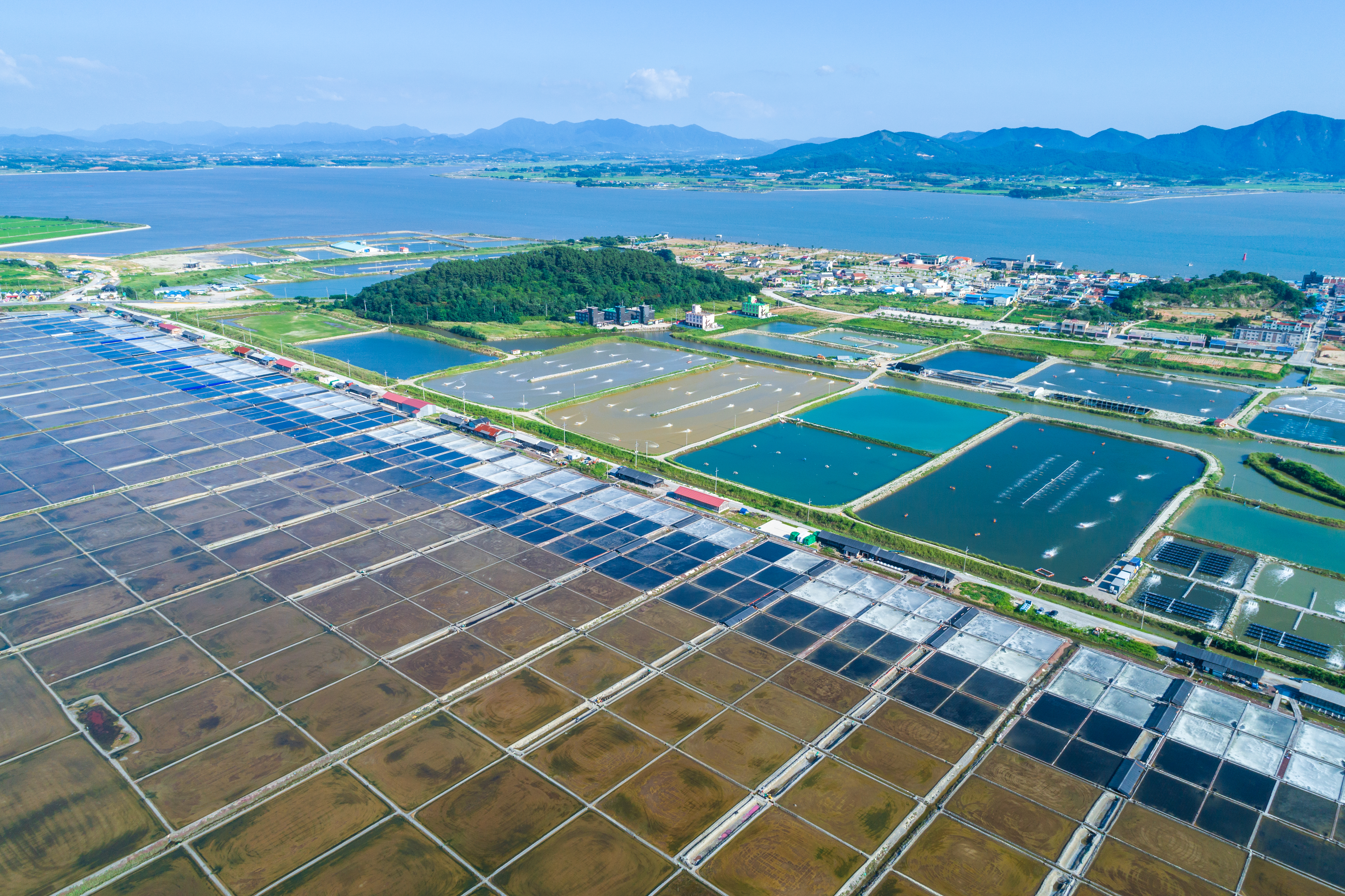
Aquaculture Solutions
Water Quality Management and Biosecurity Solutions for Aquatic Livestock
For shrimp, fish, frogs, and other aquatic livestock, water is their living environment. When water conditions fluctuate, animals easily experience stress, reduced appetite, weakened immunity, and opportunistic pathogens gain a foothold to break out. Therefore, water management must be considered the first line of disease prevention before thinking about medicine or crisis intervention.
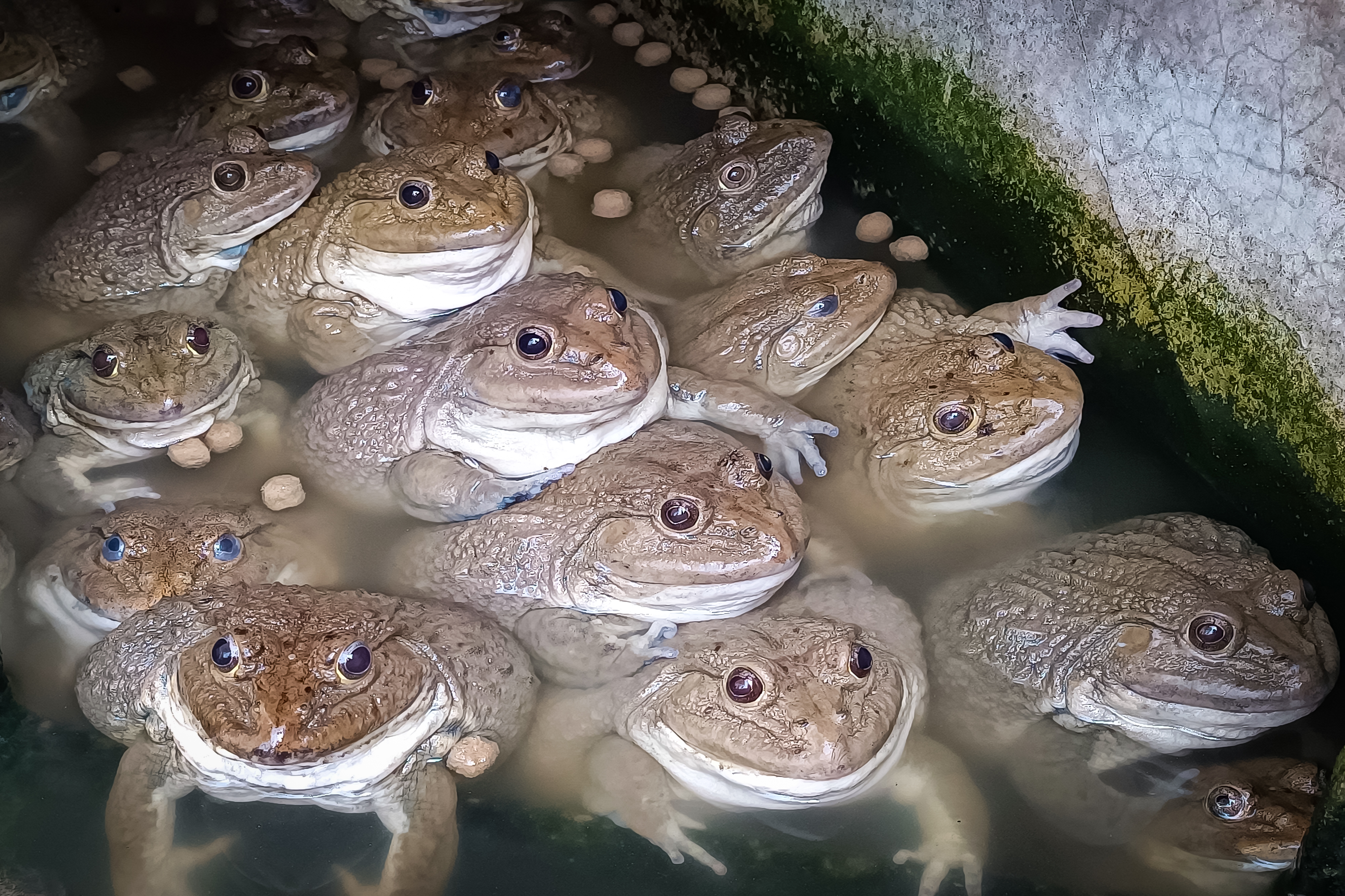
Observe livestock daily
Behavior, color, feeding patterns, piping (surfacing), gathering in corners, or scattered mortality are clear signals that the water and environment require immediate inspection.
Indicator 1
Dissolved Oxygen
Low oxygen causes livestock to pipe, reduce feed intake, lose stamina, and become vulnerable to pathogens.
Indicator 2
pH and Alkalinity
Sharp pH fluctuations during the day usually indicate that the pond/tank has lost its biological balance.
Indicator 3
Temperature
Rapid temperature shifts stress the stock, lower appetite, and decrease their ability to resist diseases.
Indicator 4
Organic Matter
Leftover feed, feces, bottom sludge, and dead algae can trigger spikes in toxic gases and opportunistic pathogens.
Indicator 5
Input Pathogens
Water sources, breeding stock, equipment, and vector organisms can introduce pathogens into the farming system.
Correct Thinking: Water Management is Stock Health Management
In aquaculture, livestock remains in constant contact with the water through their gills, skin, digestive tract, and general habitat. When water conditions fluctuate, the animals must expend energy to adapt, resulting in decreased appetite, slower growth, and weakened immune defense. Therefore, instead of only intervening when shrimp, fish, or frogs show clinical signs of illness, farmers should monitor water regularly to detect risks early.
Crucial Principle: Water that looks clean to the naked eye is not necessarily safe. It is vital to combine observations of water color, odor, transparency, pond/tank bottom, and livestock behavior with basic parameters like oxygen, pH, temperature, and salinity/alkalinity depending on the specific farming model.
The 4-Layer Biosecurity Map for Aquatic Livestock
Layer 1
Inlet Water Source
Sedimentation & Filtration
Prioritize settling ponds, storage tanks, or filtration processes to reduce debris, vectors, and pathogen risks.
Pre-treatment
New water must be tested and properly treated before being transferred to the primary culture ponds or tanks.
Supply Line Control
Avoid direct water intake from high-risk sources, especially after heavy rains or when regional disease outbreaks occur.
Layer 2
Pond/Tank/Cage Environment
Oxygen & Aeration
Ensure aeration or paddlewheel operation matches the stocking density, weather, and peak oxygen consumption periods.
pH and Temperature
Monitor morning-to-afternoon fluctuations to detect system imbalances before the stock shows symptoms of illness.
Color & Transparency
Observe algal blooms, turbidity, foam, scum, unusual odors, and sudden changes following rain or heavy feeding.
Layer 3
Pond Bottom & Waste
Bottom Sludge
Accumulated sludge, feces, and unconsumed feed increase toxic gas pressure and foster opportunistic microbial growth.
Feed Waste Control
Manage feeding amounts strictly against actual demand to avoid surpluses, water pollution, and stock debilitation.
Discharge & Siphoning
Maintain appropriate siphoning, water exchange, or bottom treatment protocols tailored to your specific farming model.
Layer 4
Breeding Stock, Tools & Transfer
Breeding Stock
Select healthy, certified, uniform seed stock that matches the specific conditions of your ponds or tanks.
Dedicated Equipment
Nets, buckets, hoses, and machinery should be zoned or disinfected thoroughly before cross-utilization between units.
Vector Animals
Control birds, wild crabs, trash fish, snails, and other organisms capable of bringing pathogens into the facility.
New Paradigm: Treat Water Data Like a Stock Health Record
Modern farmers do not rely solely on experience to assess water color; they record metrics and observations systematically over time: morning vs. afternoon, pre- vs. post-rain, before and after water changes, or feeding times. Consistent tracking of minor metrics helps catch negative trends early.
Tailored to Vietnamese Conditions
You do not need to start with expensive, automated systems. Farms can utilize thermometers, standard pH/alkalinity/oxygen test kits suited to their budget, physical logbooks, smartphone pictures of water color, technical Zalo groups, and a daily pond check checklist.
Practical Inspection Schedule for Ponds/Tanks
1
Every Early Morning
Check for stock piping, weak feeding, grouping in corners, changes in water color, strange odors, and verify oxygen/pH if equipment is available.
2
Late Afternoon
Compare pH, color, feed consumption rates, general activity levels, and look for scum or foam buildup to evaluate diurnal fluctuations.
3
After Heavy Rain
Immediately measure temperature, pH, salinity/alkalinity based on your setup, turbidity, and look for acute stress responses due to rapid shocks.
4
When Feeding Drops
Do not rush to increase medication or switch feeds; thoroughly analyze the water, bottom conditions, toxic gas levels, water change schedule, and other stressors first.
Practical Checklist for Farmers
✓
Prepare incoming source water utilizing settling ponds, storage tanks, or filtration processes appropriate for the farm setup.
✓
Test oxygen, pH, temperature, clarity, color, and odor at fixed intervals throughout the day whenever possible.
✓
Observe livestock behaviors closely: piping, dropping feed, lethargy, gathering in corners, physical lesions, discoloration, or scattered mortality.
✓
Manage feeding amounts closely according to real-time requirements to prevent waste from fouling water and adding to sludge layers.
✓
Clean, allocate, or sanitize tools before deploying them across different ponds, tanks, or net cages.
✓
Control wild crabs, trash fish, birds, snails, and intermediate hosts that can introduce pathogens into the system.
✓
Do not apply antibiotics blindly when water parameters are unstable; always test the environment and confirm the underlying root cause first.
✓
Maintain meticulous histories regarding water quality parameters, feed logs, system treatments, disease warnings, and input products used.
Professional Note: Degraded water quality stresses the livestock and exacerbates disease outbreaks, but not all instances of weakness or mortality stem from an identical root issue. Evaluate water parameters, bottom health, feed management, seed stock quality, density levels, weather events, and pathogen pressures concurrently before administering interventions.
Saigonvet: Partnering in Proactive Aquatic Health Management
Saigonvet champions a practical approach: helping farmers anchor water quality, biosecurity, and environmental tracking as the foundation of disease prevention. When water is managed effectively, aquatic livestock exhibits improved robustness, minimized stress levels, reduced pathogen liabilities, and maximized sustainable production outcomes.