```

Science News
Antibiotics in Livestock Farming: An Essential Scientific Tool When Used Correctly
Antibiotics are not something to be eliminated from livestock farming. They are vital scientific tools for treating bacterial diseases, protecting herd health, and minimizing farm losses. The issue lies not with the antibiotics themselves, but with whether they are used correctly and responsibly.
Principle 1
Do not rule out antibiotics
When livestock contract bacterial infections, timely treatment is essential to protect the health of the herd.
Principle 2
Avoid antibiotic misuse
Using antibiotics based on intuition, for indiscriminate prevention, or for the wrong condition reduces treatment effectiveness.
Principle 3
Responsible Use
Right condition, right medication, right dosage, right timing, and adherence to the drug withdrawal period.
Scientific perspective
Antibiotics are treatment tools, not a solution to be used based on guesswork
In modern livestock farming, antibiotics are vital tools that help veterinarians, farm technicians, and producers control bacterial diseases. When livestock contract a bacterial infection, timely and appropriate treatment can reduce mortality rates, limit the spread of disease within the herd, minimize economic losses, and aid in the animals' recovery.

Start with diagnosis and on-site observation
Not every sign of illness requires antibiotics. Before administering medication, it is necessary to evaluate the flock's clinical signs, the environment, feed and water, the vaccination schedule, the medication history, and the likelihood of a bacterial infection.
The issue is not antibiotics themselves, but how they are used.
Extreme 1: Complete avoidance
When livestock suffer from bacterial infections, failure to provide timely treatment can worsen the illness, increase transmission, and cause greater losses for the farm. Appropriate antibiotics remain an essential tool in veterinary treatment.
Extreme 2: Using for a quick fix
Using antibiotics at the first sign of illness, using the wrong medication, or taking them indiscriminately as a precaution are all inappropriate practices. Misuse can reduce treatment effectiveness, increase costs, and heighten the risk of antibiotic resistance.
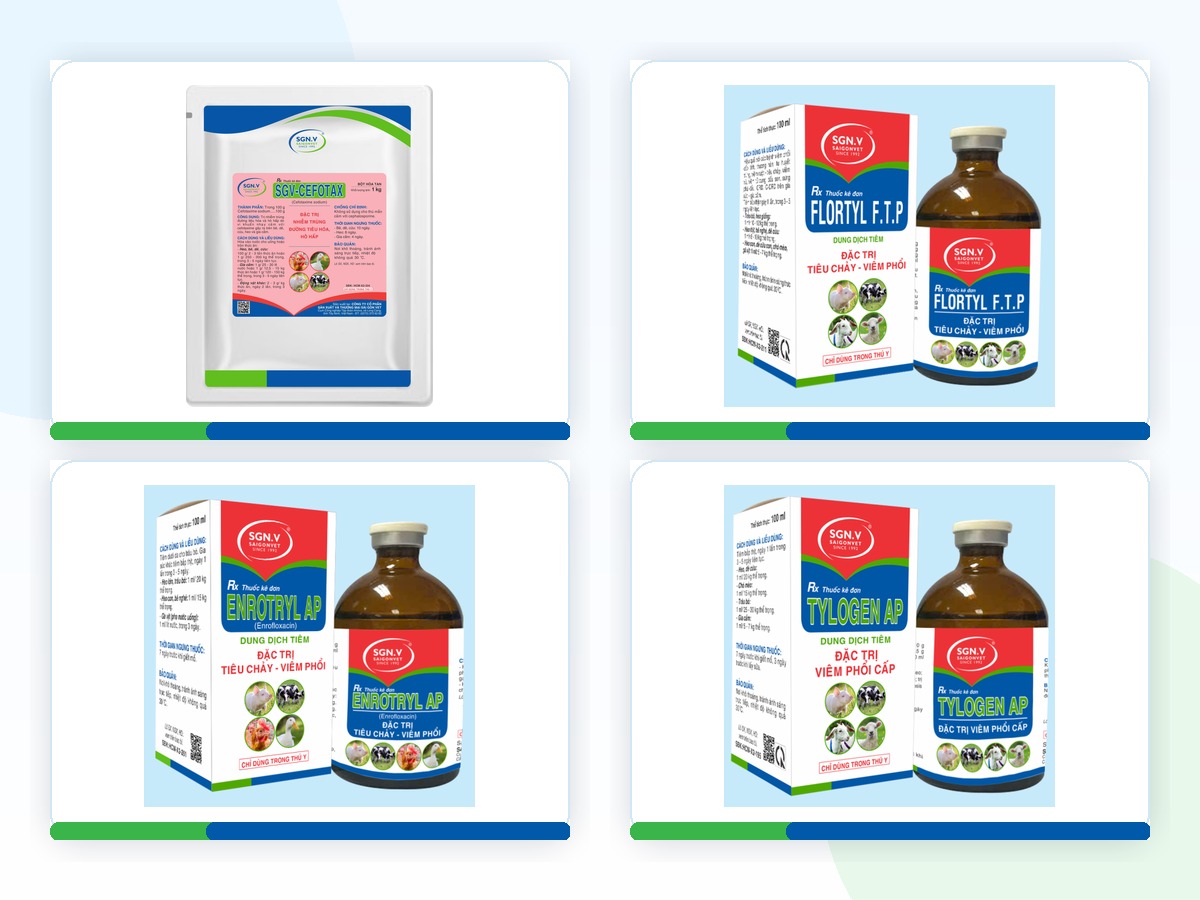
The right product requires the right guidance
Each type of antibiotic has a specific spectrum of activity, indications, and method of administration. Product selection should be based on the herd's condition, label instructions, and recommendations from a veterinarian or technical specialist. Antibiotics are truly effective only when used as a result of a technical decision, rather than an emotional reaction.
Six principles for responsible antibiotic use
1
Correct
Not all problems are caused by bacteria. The underlying cause must be assessed before deciding to use antibiotics.
2
Right medication
Each antibiotic has specific indications and a unique spectrum of activity. The medication should be selected in accordance with professional guidelines.
3
Correct dosage
Using less or more than directed is inappropriate. Adhere to the label and technical recommendations.
4
Correct timing
Do not arbitrarily stop too early or prolong use unnecessarily. Follow the instructions for use.
5
Adhere to the drug withdrawal period
This is a crucial step for controlling residues and ensuring food safety.
6
Record-keeping and monitoring
Record the date of administration, product name, animal group, withdrawal period, and post-treatment results.

Record-keeping for controlled medication use
Farms should record the date of administration, dosage, animal group, person administering the treatment, withdrawal period, and post-treatment monitoring results.
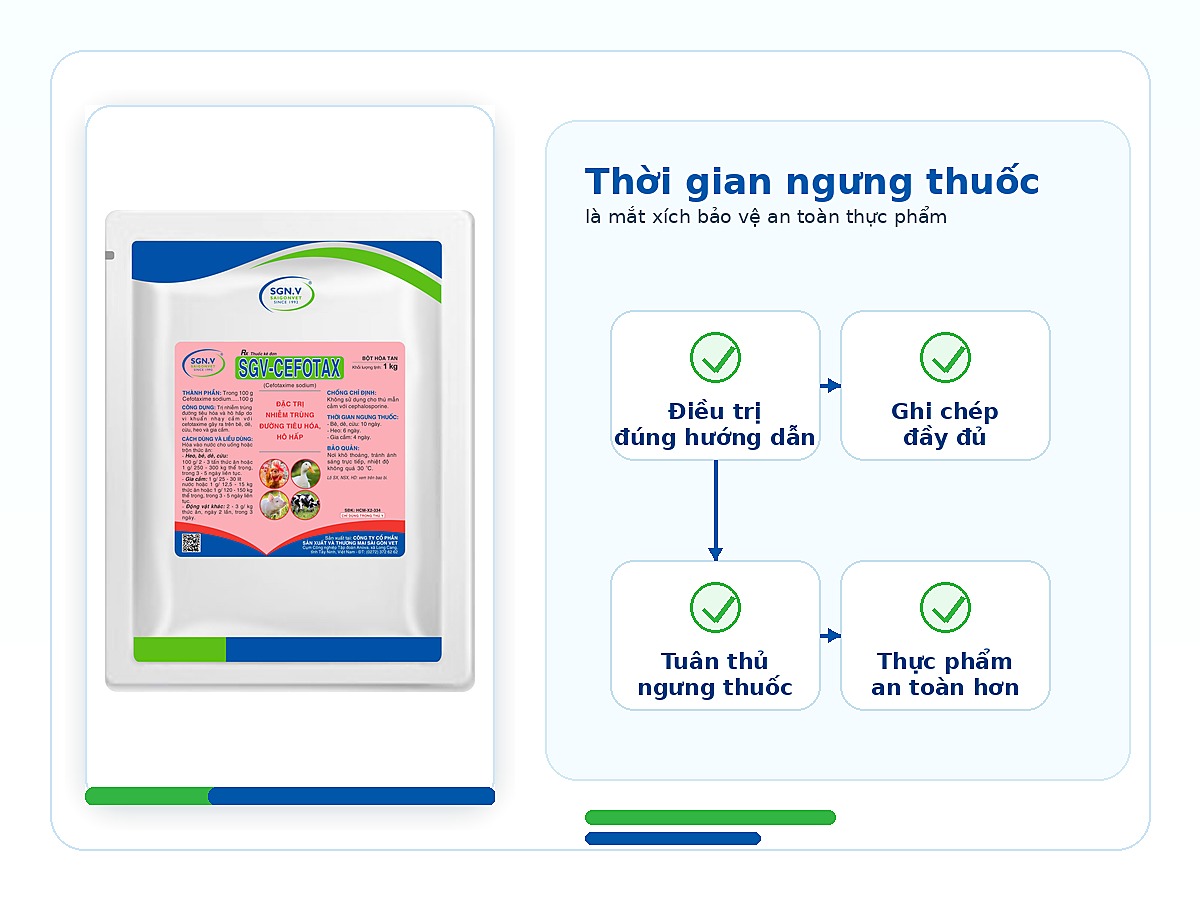
Drug withdrawal periods protect consumers
Adhering to drug withdrawal periods before sale, milking, egg collection, or product harvesting is a crucial responsibility within the safe food supply chain.
Antibiotics Cannot Replace Biosecurity and Farm Management
A common mistake is viewing antibiotics as the primary solution for all herd health issues. In reality, if the rearing environment is poor—characterized by high stocking density, inadequate ventilation, contaminated drinking water, substandard facility hygiene, nutritional imbalances, or improper vaccination protocols—disease can recur despite the use of medication.
While antibiotics can aid in treating disease outbreaks, they cannot replace biosecurity, vaccination, proper nutrition, environmental management, and herd health monitoring. Modern farms need to shift their mindset from "treating disease with medication" to "managing disease risks."
SaigonVet Perspective: Antibiotics should not be viewed as products to be used in unlimited quantities. Instead, they should be regarded as valuable therapeutic tools that must be used at the right time, in the right manner, and as part of a comprehensive herd health management strategy.
Do not reject antibiotics. Do not misuse them. Use them correctly and responsibly.
Antibiotics are a major scientific achievement and remain essential in livestock farming. Proper use protects livestock, farmers, and consumers, while also preserving future treatment efficacy. Misuse not only reduces product effectiveness but also increases risks across the entire livestock production chain.
```